Our Story
Imagining an Innovative, Zero-Waste, Organic and Regenerative Future
LION FARMS
Lion Farms is a sustainable, innovation campus that combines regenerative farm practices and innovative technologies in a closed-loop system. Working alongside FIU PhD doctoral students and other educational institutions, we are teaching the next generations of organic farmers at our 10-acre Redlands Farm.
Our philosophy as an organic regenerative farm is grounded in sustainability, holistic thinking, and a deep appreciation for the interconnectedness of all living beings. We strive to farm in a way that not only produces wholesome and nutritious food but also builds soil fertility, promotes biodiversity, eliminating synthetic inputs and ensures the long-term viability of the farm by preserving the natural resources for future generations.
VERMICOMPOST
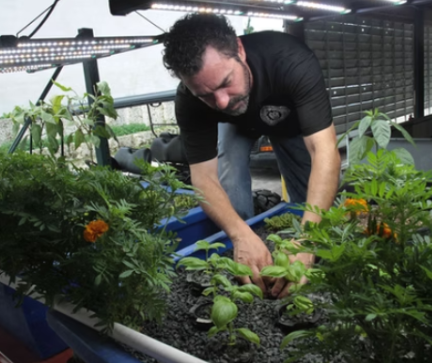
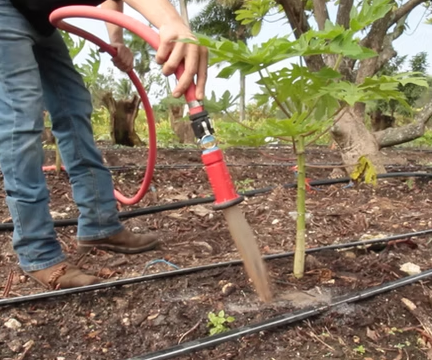
Worm castings are the core of our organic farming practices. Through the happy work of several million Red Wiggler worms (Eisenia Fetida), our farm's waste material and spent mushroom blocks are fed to our worms.
The closed-loop system eliminates the need for synthetic fertilizer. Our biodiversity sustains a healthy and regenerative ecosystem.
NEW ZEALAND RABBITS
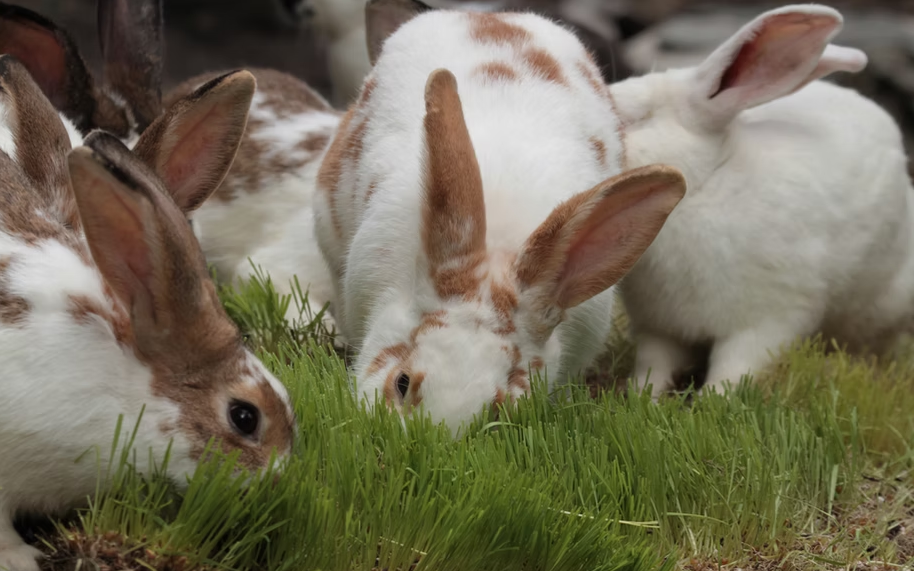
Another element of our closed-loop system: Their droppings are supplements to soil fertility. Raised in a humane manner, ensuring the highest quality meat.
OUR HARVEST
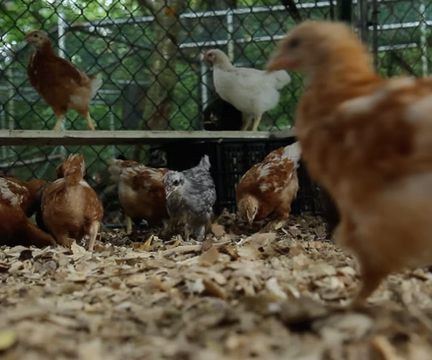
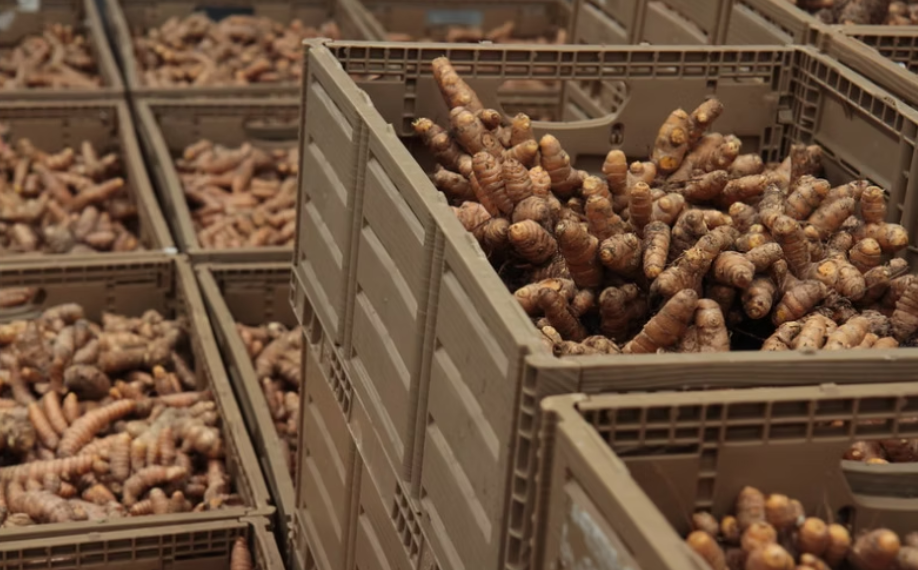
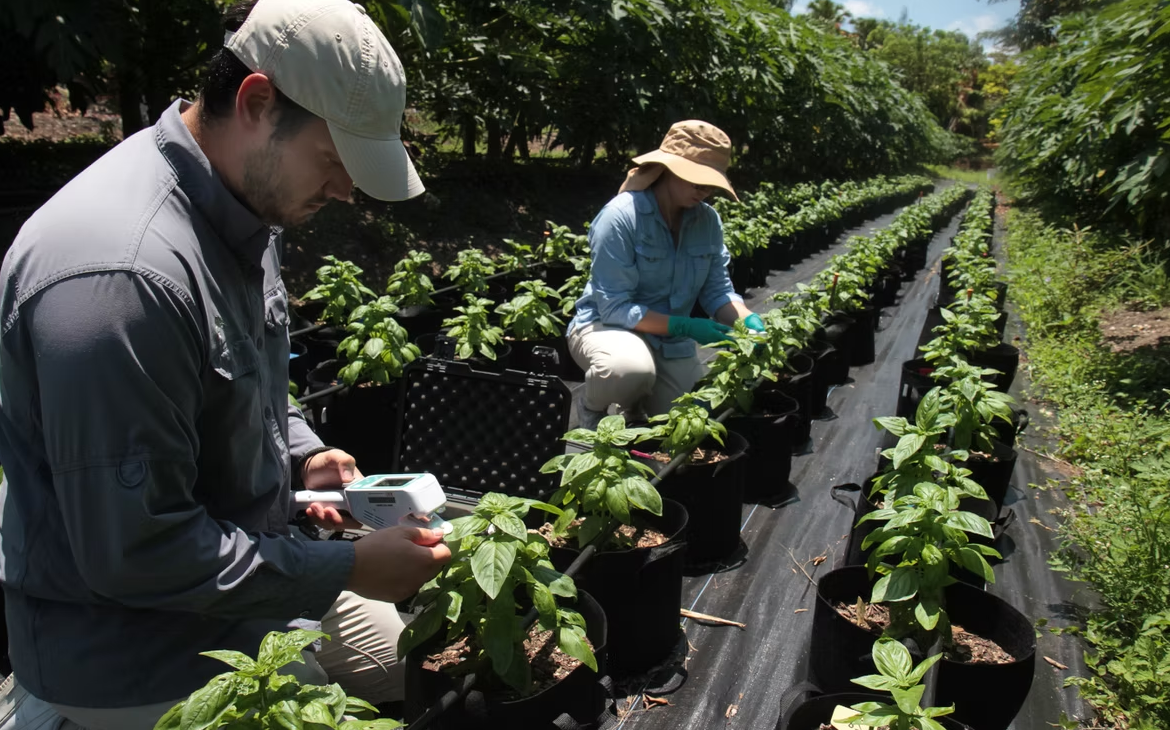
Includes subtropical fruit trees, chicken eggs, Organic Turmeric, Aquaponics Nile Perch, New Zealand Rabbits, OMRI-Listed Vermicompost, Controlled Environment Agriculture, and Organic Gourmet Mushrooms.
AQUAPONICS NILE PERCH
Our innovative symbiotic system, where fish waste becomes a highly nutrient rich fertilizer for the farm's crop.
The closed-loop system minimizes waste, maximizes efficiency and provides a sustainable source of high-quality fish.
100%
Sustainable
Zero
Waste
ORGANIC GOURMET MUSHROOMS
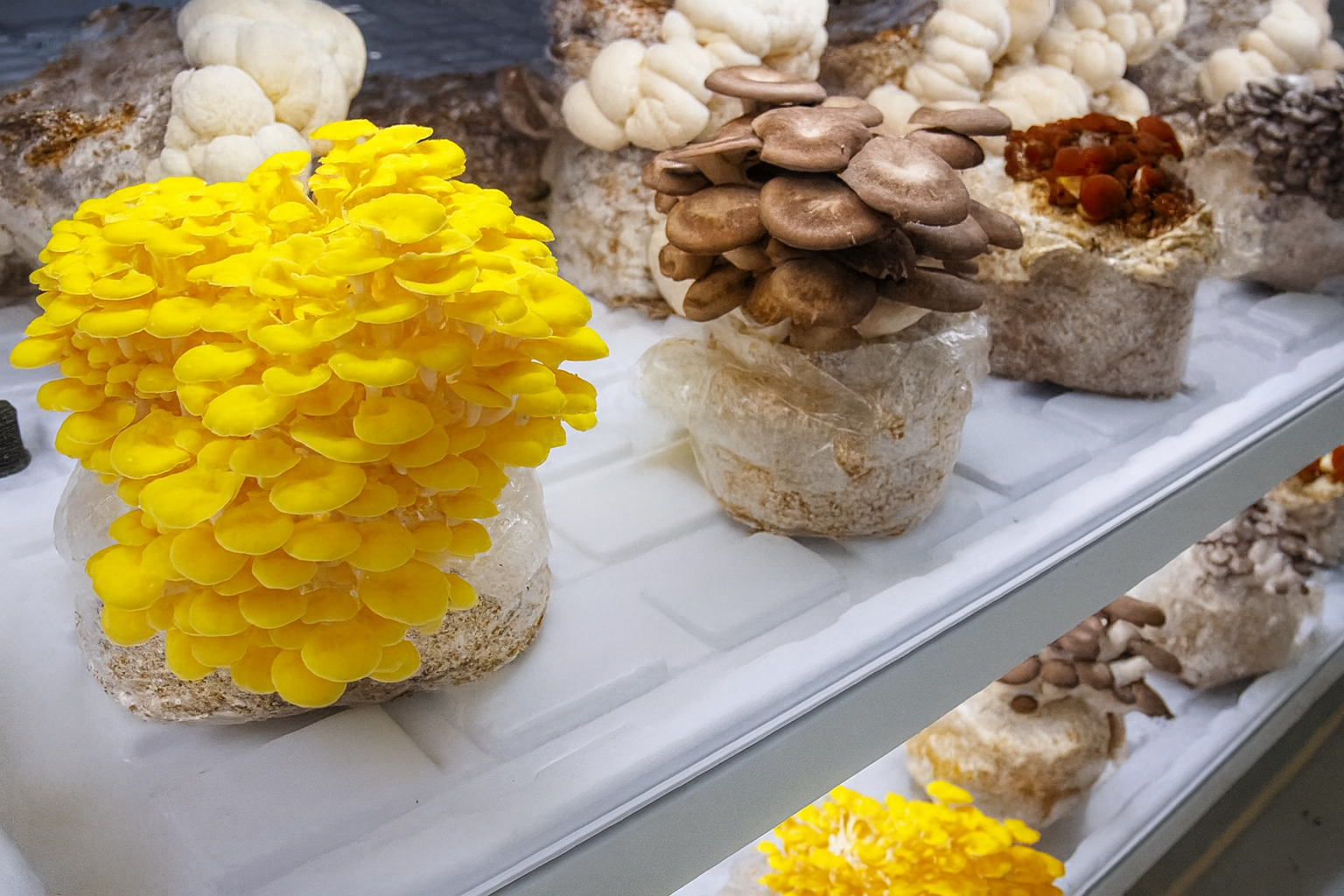
Gourmet Mushrooms offer a unique culinary experience with their distinct textures and flavors. Grown using sustainable methods in controlled environments for optimal quality.
CONTROLLED ENVIRONMENT AGRICULTURE
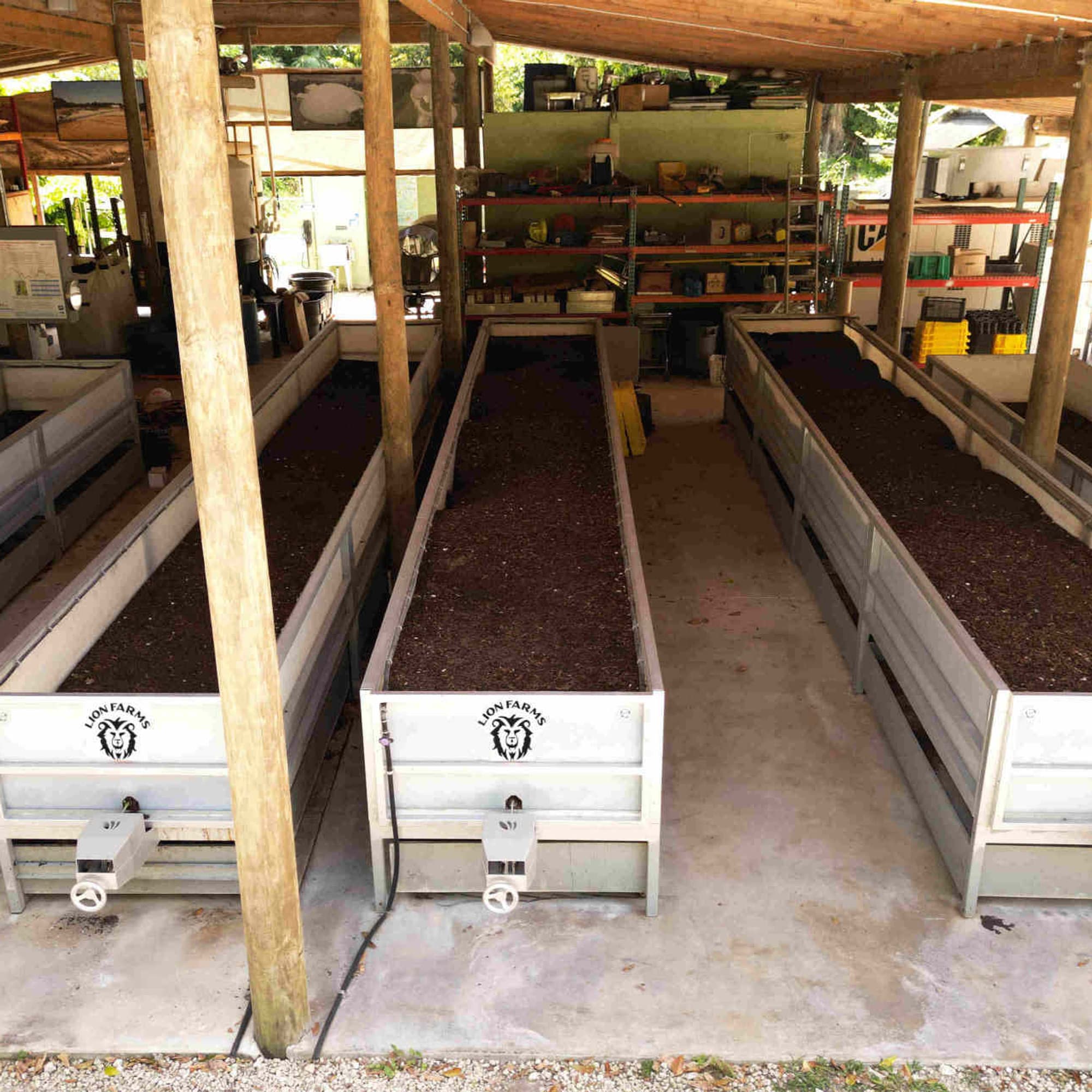
By creating optimal growing conditions, such as temperature, humidity, and light, within enclosed structures, the farm is able to cultivate crops year-round.
This approach minimizes the reliance on external factors and ensures consistent and high-quality production.